Village Dental · Patient-centered care

TMJ & TMD Treatment in Raleigh & Wake Forest

Start with an evaluation of your jaw pain.

Jaw soreness, painful clicking, or difficulty chewing can make everyday activities frustrating. Village Dental helps patients in Raleigh, North Raleigh, Brier Creek, and Wake Forest begin with an assessment and discuss appropriate next steps.

Adult gently touching the side of her jaw near the jaw joint
Illustrative image; not an actual patient or treatment result.

What is the difference between TMJ and TMD?

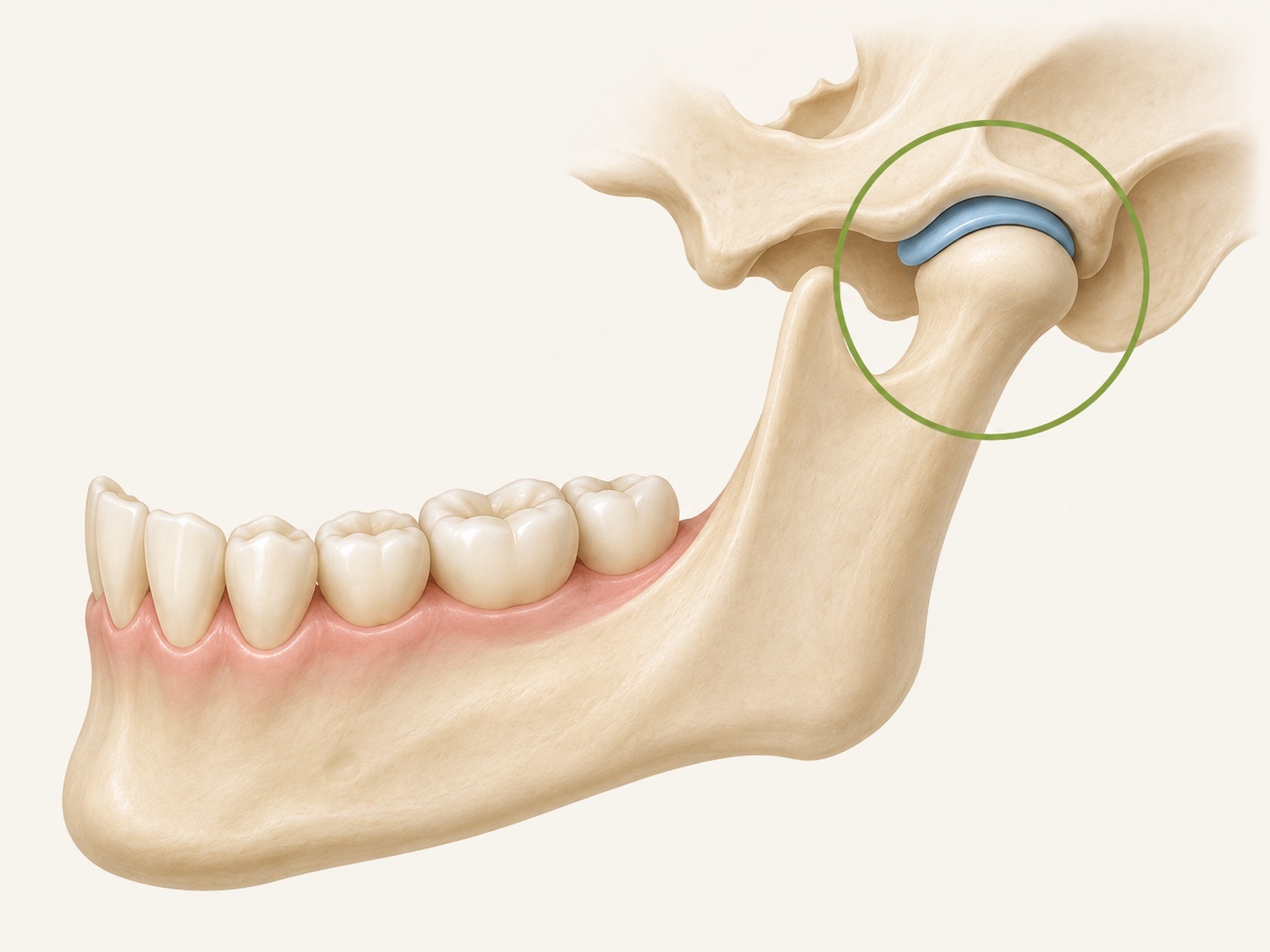
TMJ is the temporomandibular joint, which connects your lower jaw to your skull. TMD refers to disorders affecting the jaw joints or chewing muscles. Jaw pain, painful clicking, stiffness, or locking can have several causes. An examination helps determine whether your symptoms are related to TMD, a dental problem, or another condition.

Understand your symptoms

Review where the pain occurs, what triggers it, and how it affects daily life.

Consider conservative care

Discuss reversible approaches based on the findings of your evaluation.

Know the next step

Persistent or complex symptoms may call for an orofacial pain specialist.
Illustration of the jaw joint with the articular disc between the lower jaw and temporal bone
Illustration of the temporomandibular joint, the hinge that connects the lower jaw to the skull.

When should you schedule a jaw evaluation?

Pain with chewing, jaw stiffness, locking, or a change in comfortable movement deserves attention. Clicking without pain is common and does not automatically need treatment. Headaches or ear-area pain can have other causes, so describe the full pattern of your symptoms.

Before your visit, note when the problem started, which activities aggravate it, and any recent injury or dental treatment. Bring an existing appliance and a medication list. These details help your dentist decide what needs further assessment.

TMJ care at Village Dental

Your visit starts with an assessment of your teeth, jaw movement, and symptoms. Village Dental offers custom-fitted bite guards and night guards at all four offices when protection from grinding is appropriate. Your dentist checks the fit and explains follow-up care.

Your dentist can discuss changes to jaw habits and other conservative next steps. If symptoms persist or your findings call for additional expertise, a referral to an orofacial pain specialist or another clinician may be appropriate.

A night guard can protect teeth from grinding, but it may not relieve jaw pain. The right approach depends on the cause of your symptoms. If an appliance causes pain or no longer fits comfortably, stop using it and contact your dentist.

Your appointment

What to expect at your visit

1. Listen and examineReview your pain history and assess the teeth, jaw movement, and tender areas.
2. Discuss a care planExplain likely next steps, conservative options, or additional evaluation.
3. Review your responseMonitor symptoms and adjust the plan or coordinate a specialist referral.

How are TMD and teeth grinding related?

Bruxism means clenching or grinding the teeth; TMD describes jaw-joint or muscle disorders. They can occur together, but one does not establish the other. Tooth wear, jaw pain, and disrupted sleep may require different assessments.

Tell your clinician about snoring, waking unrefreshed, or a partner noticing breathing pauses. A tooth-protection guard is not the same as an appliance prescribed for sleep apnea. Further medical evaluation may be appropriate.

Plan your visit, costs, and follow-up

Ask what the initial evaluation covers, whether imaging or a referral is indicated, and how any proposed treatment will be monitored. Coverage may depend on the service and whether dental or medical benefits apply; confirm expected costs with the office and your insurer.

If your jaw locks or you cannot eat or drink normally, seek prompt assessment. Facial swelling, fever, or a dental injury may need urgent care. Contact our emergency dentistry team for dental concerns; trouble breathing or swallowing requires emergency medical help.

Get to know your dental team

Why Village Dental?

Four neighborhood offices in Olde Raleigh, North Raleigh, Brier Creek, and Wake Forest.

Evaluation and custom guards

Start with an assessment of your symptoms and teeth. Our offices offer custom-fitted night guards for appropriate tooth-protection needs. Your dentist can explain when further specialist evaluation may be helpful.

Care close to home

Raleigh, North Raleigh, Brier Creek & Wake Forest

Choose a convenient Village Dental office. When scheduling, confirm the appropriate clinician, treatment availability, and any consultation or referral needs.

Answers to common questions

TMJ & TMD Treatment: FAQs

Does every clicking jaw need treatment?
No. Jaw clicking without pain or limited movement is common. Painful clicking, locking, or difficulty using your jaw warrants an assessment rather than assuming an appliance is needed.
What TMJ care does Village Dental offer?
Village Dental provides an initial dental and jaw-symptom evaluation and offers custom-fitted bite guards and night guards when tooth protection is appropriate. Your dentist can explain conservative next steps and whether specialist evaluation is needed. A night guard is not a guaranteed treatment for TMD pain.
Will a night guard cure TMD?
A guard may protect teeth in someone who grinds, but it is not a guaranteed treatment for jaw pain. Appliance choice and follow-up should reflect the diagnosis and how you respond.
Do I need surgery for TMJ pain?
Surgery is not the usual starting point. Conservative, reversible care is generally considered first. A specialist can discuss further options when symptoms and examination findings justify them.
Are bruxism and TMD the same thing?
No. Bruxism is grinding or clenching; TMD involves the jaw joints or chewing muscles. They may coexist, but treatment depends on the source of your symptoms and any tooth damage.
Where can I start a TMJ evaluation in Raleigh or Wake Forest?
Contact your preferred Village Dental office in Olde Raleigh, North Raleigh, Brier Creek, or Wake Forest. Describe your symptoms when scheduling and ask about the appropriate clinician or referral pathway.

Let’s understand what your jaw is telling you.

Schedule an evaluation to discuss your symptoms, appropriate care, and whether a specialist should be involved.

Olde Raleigh · North Raleigh · Brier Creek · Wake Forest