- Locations
- Our Dentists
- Services View all services →Preventive & GeneralImplants & Oral Surgery
- New Patients
- Smile Gallery
- Blog
- (919) 500-5722Book Online
A durable middle ground between a filling and a crown.
When a tooth is too damaged for a filling but doesn’t need a full crown, inlays and onlays are a strong, custom-made restoration that preserves more of your natural tooth. Available at all four Village Dental offices.
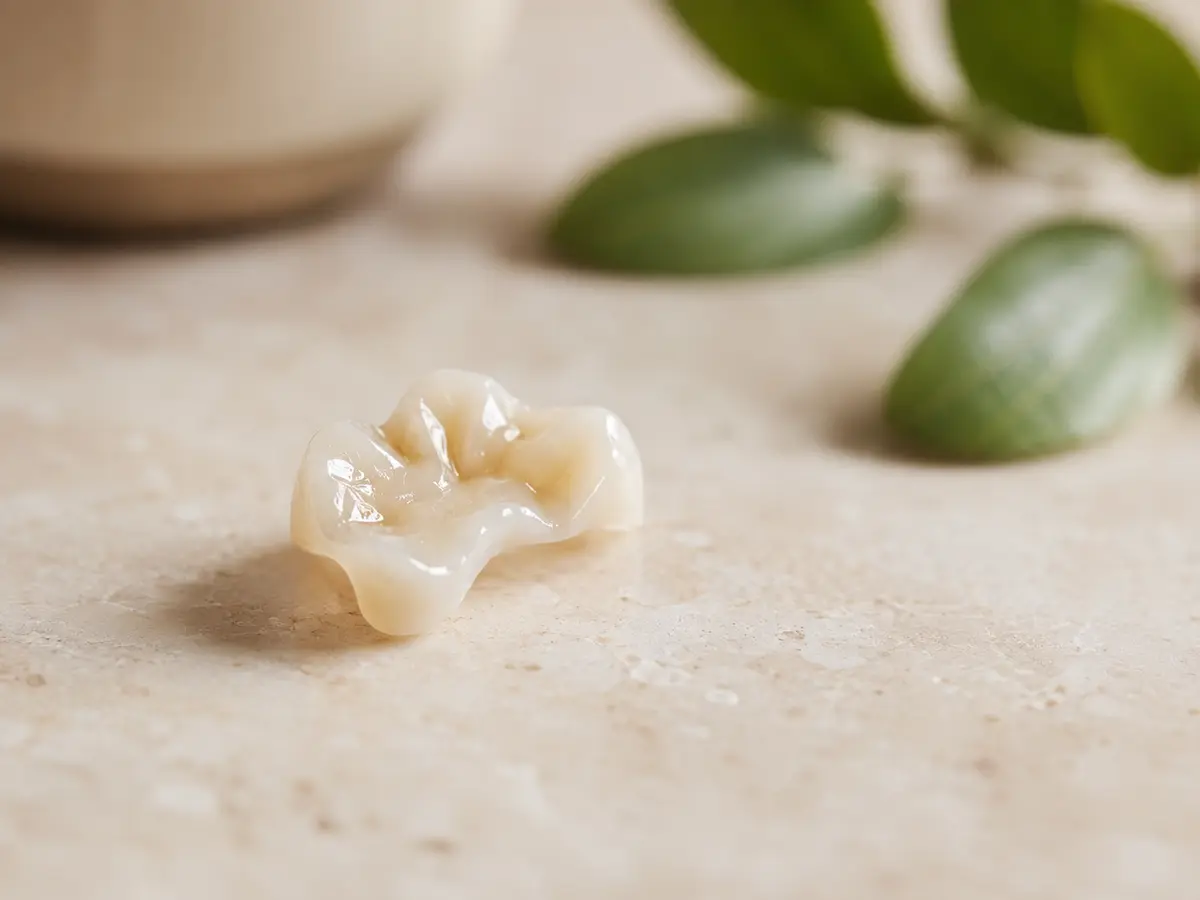
Inlays and onlays are custom-made restorations bonded to a damaged tooth. An inlay fits within the cusps of the tooth; an onlay extends over one or more cusps.
They’re used for decay or damage too large for a filling but not extensive enough to require a full crown — sometimes called partial crowns.
Made from durable tooth-colored materials, they restore strength while preserving more natural tooth than a full crown would.
Every Village Dental office offers inlays and onlays. Choose the location nearest you to book:Olde RaleighNorth RaleighBrier CreekWake Forest
A filling repairs an area directly in the tooth. An inlay fits within the chewing surface, while an onlay covers one or more raised cusps. A crown surrounds more of the visible tooth when broader protection is needed.
The amount and location of healthy tooth structure matter more than choosing the largest restoration. Ask your dentist to show you the area of damage and explain why the proposed coverage is appropriate. Discuss the material recommended for your bite and appearance rather than assuming one material suits everyone.
If pain or a deep crack is present, the tooth may need additional assessment before a restoration is planned. Cleveland Clinic’s restorative dentistry guide explains the main treatment categories.
Confirm how many appointments your plan requires and whether you will have a temporary restoration. Ask how to clean around it, what to avoid chewing, and whom to call if it loosens before the final visit.
After placement, tell the team if your bite feels uneven or sensitivity persists. Keep up with daily cleaning and checkups; a restored tooth can still develop decay. If an edge chips or the restoration loosens, an examination determines whether it can be repaired or needs replacement.
Ask whether your estimate includes preparation, the restoration, temporaries, and follow-up. Material, tooth condition, and any additional treatment affect the total. Review your insurance benefits and alternatives before proceeding.
Book at any of our four Triangle offices and we’ll restore it while preserving your natural tooth.
New patients welcome · most insurance accepted · four Triangle locations